



 Cronfact News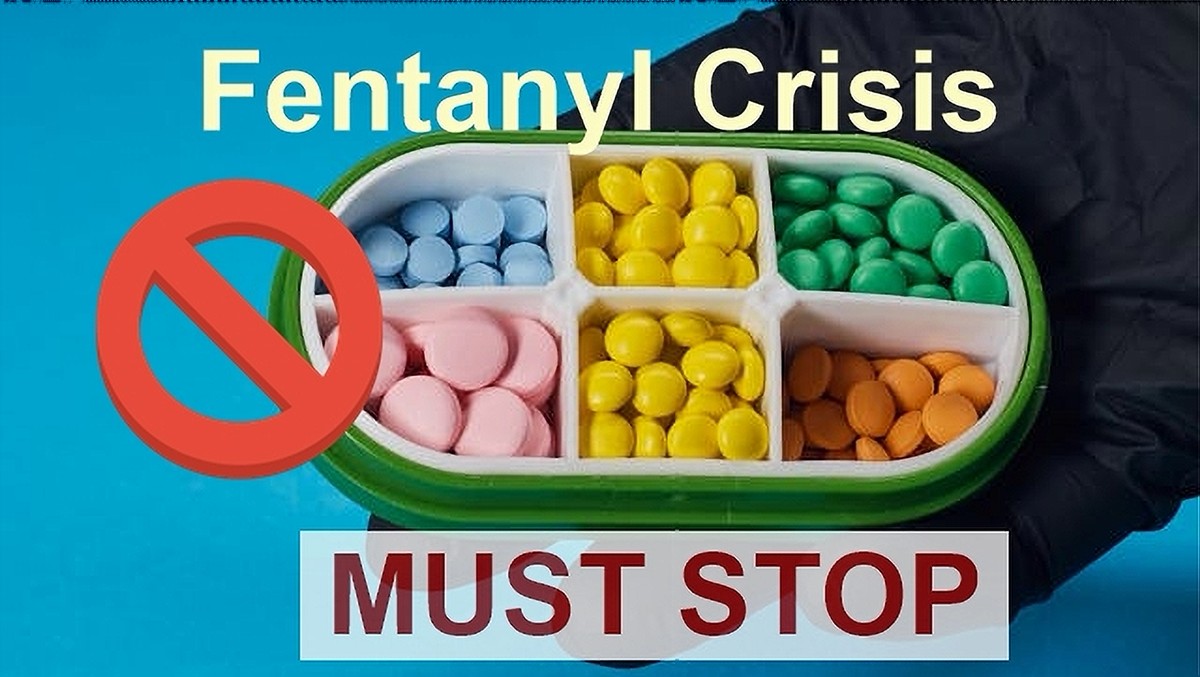
What is Fentanyl and why is it so lethal?
Fentanyl – a synthetic opioid that has woven itself into the fabric of our society, leaving devastation in its wake. In this blog, we delve into the heart of the fentanyl crisis, exploring its origins, impact, and the urgent need for action. Fentanyl is 50 to 100 times more potent than morphine, was initially developed as a powerful painkiller for cancer patients. However, its illicit use has skyrocketed, leading to a public health catastrophe. This synthetic opioid floods the streets, masquerading as prescription pills or mixed with other drugs like cocaine. Its potency is both its allure and its curse – a tiny amount can be lethal…
The Real Scale of the Fentanyl Crisis
The Centers for Disease Control and Prevention (CDC) estimates that in 2020, opioid-related overdose deaths surged to nearly seventy thousand in the United States, with over 80 percent attributed to synthetic opioids, primarily fentanyl. This grim milestone marks a new chapter in the decades-long opioid epidemic.
- 2025 Totals: Estimated synthetic opioid deaths fell to 38,084 (compared to 48,913 in 2024). Overall provisional drug overdose deaths dropped nearly 14% to roughly 69,973 in 2025, marking the third consecutive annual decrease from peak pandemic-era levels.
- 2026 Projections: Provisional data tracking a 12-month ending period into early 2026 indicate that deaths continue to decline (showing an ongoing year-over-year drop of about 12.1% for the period up to April 2026).
- Drivers of Decline: Public health experts attribute the sustained drops to wider distribution of Naloxone, increased availability of fentanyl test strips, and shifts in the illicit drug supply.
Fentanyl remains a critical issue in the U.S. drug crisis. In 2024, the DEA reported that fentanyl and other synthetic opioids were responsible for approximately 70% of drug-related deaths. While exact numbers for fentanyl use cases aren’t specified, the overall impact of synthetic opioids continues to devastate communities nationwide.
In 2024, fentanyl-related deaths saw a significant decline compared to 2023. For example, in Travis County, Texas, fentanyl deaths dropped by 36%, from 279 deaths in 2023 to 179 deaths in 2024. Nationally, drug overdose deaths, including those involving fentanyl, also decreased, with provisional data showing a decline from approximately 114,000 deaths in 2023 to 87,000 deaths in 2024.
This decline is attributed to increased distribution of naloxone, better access to treatment, and harm-reduction measures
Fentanyl Deaths during the Pandemic
According to the CDC records: “Rates of overdose deaths involving synthetic opioids other than methadone, which includes fentanyl and fentanyl analogs, increased over 22% from 2020 to 2021. The rate of overdose deaths involving synthetic opioids in 2021 was nearly 22 times the rate in 2013. Nearly 71,000 drug overdose deaths involved synthetic opioids other than methadone in 2021. The latest provisional drug overdose death counts suggest overdose deaths accelerated during the COVID-19 pandemic.”
The Pill Problem within Criminal Networks
Criminal networks, particularly those based in Mexico, had ramped up production of illicit fentanyl. These networks flood the market with fentanyl-laced fake pills, often resembling legal prescription opioids like Vicodin. The pills are distributed through online channels and social media, making them accessible to unsuspecting users. The ease of production and distribution exacerbates the crisis.
The China Connection and Sources
China, once the primary source of fentanyl, has faced international pressure to curb its production and export. As a result, Mexican drug cartels now manufacture fentanyl using chemicals sourced from China. Cartels then smuggle these deadly pills into the United States, perpetuating the crisis…
About The Author




 Yuri Sire