
 Cronfact News
The 2026 Real Estate Reset: Sky-High Rates, Slashed Prices, and the Return of the Buyer’s Market
National average for a 30-year fixed mortgage has climbed to around 7%, touching highs between 6.97% and 7.17% depending on the specific survey index.
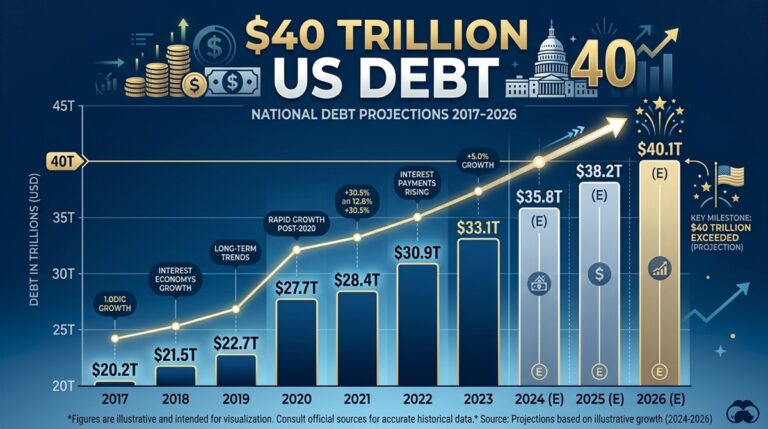
Alarming data is coming in via daily rates trackers like Mortgage News Daily. They have now seen peaks push past the 7% threshold up to 7.17% with the main drivers being: Rising inflation (holding around 3.4%), national debt, higher energy and oil costs from geopolitical conflict, and 10-year Treasury yields hitting roughly 5% have driven up the borrowing costs.
Market Impact: Higher rates and record home prices (with the median existing home price at $429,100) are squeezing affordability and slowing down home sales.
The housing market is undergoing a structural shift. After a turbulent stretch, September 2026 data shows that mortgage rates have climbed toward 7% (fixed rate), fundamentally reshaping the balance between home buyers and sellers nationwide.
Mortgage Rates Hit Annual Highs
Borrowers are navigating a challenging rate climate. The bump in borrowing costs continues to stretch affordability, keeping budget-conscious shoppers cautious about locking in high monthly payments.
Sellers Outnumber Buyers in Record Shift
The defining narrative of late 2026 is the rapid widening of the buyer-seller gap. Active listings are sitting longer as elevated rates suppress overall buyer demand. According to real estate tracking data, sellers currently outnumber active buyers by roughly 57.9%—marking the largest buyer-favorable shift recorded in over a decade.
Active Housing Market Supply vs. Demand Ratio (Late 2026)
- Active Sellers (~1.53 Million)
- Active Buyers (~972 Thousand)
Buyer vs. Seller Dynamics
- Leverage Restored: Over 35 major metro areas have officially entered buyer-friendly territory. Cities like Miami, Houston, and Nashville lead the country with substantial excess inventory.
- Price Concessions: Median national listing prices have cooled ~1.4% year-over-year to around $419,000, giving shoppers real room to request seller credits, closing cost assistance, and rate buydowns.
- Pricing Precision: Homes priced aggressively above market value are stalling on the market.
- Patience Required: Sellers must adjust expectations, work with buyer requests, and prepare for longer listing durations compared to previous years.
While high interest rates present a hurdle for monthly budgets, buyers who are ready to negotiate are finding some of the most favorable purchasing conditions seen in years.
What can FED Reserve do to lower mortgage rates and to make housing more affordable?
To lower mortgage rates and make housing more affordable, the Federal Reserve (the “Fed”) can utilize several key monetary policy tools. While the Fed does not set mortgage rates directly—30-year fixed mortgages are heavily tied to the 10-Year Treasury yield and secondary mortgage bond markets—its policy moves significantly influence long-term borrowing costs.
Potential Federal Reserve Policy Actions
- Cutting the Federal Funds Rate: Lowering short-term benchmark rates reduces overall borrowing costs across the banking system. Lenders generally pass these lower funding costs on to consumers through reduced interest rates on mortgages, auto loans, and lines of credit.
- Purchasing Mortgage-Backed Securities (MBS): Through Quantitative Easing (QE), the Fed directly buys mortgage bonds on the open market. Increased demand for MBS pushes yield rates down, directly lowering consumer 30-year fixed mortgage rates.
- Signaling Forward Guidance: Communicating a clear, long-term commitment to low inflation and lower future policy rates builds market confidence. This lowers bond market volatility, which helps narrow the “spread” between 10-Year Treasury yields and mortgage rates.
Lowering interest rates is only half of the affordability equation. True housing affordability usually requires a combination of lower borrowing costs and a sustained increase in housing supply.
About The Author